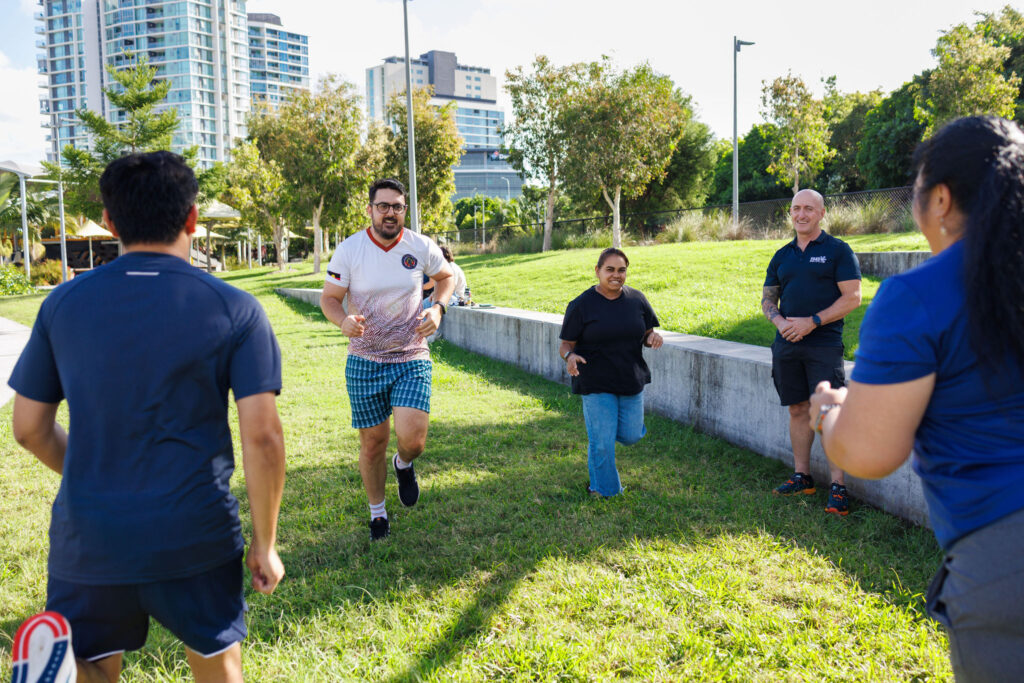



Staying active throughout life not only improves your general health and well-being, it also helps to fight chronic diseases later in life. Exercise reduces your risk of developing conditions like diabetes, heart disease and some types of cancer.
Despite these benefits of regular exercise, only 17.2% of those aged over 65 are meeting the physical activity guidelines.
So, how much exercise should you be doing?
Older adults should be doing some form of physical activity, no matter their age, weight, health problems or abilities. People aged 65 and older should accumulate at least 30 minutes of moderate intensity physical activity on most, if not all days. This should include exercises that target fitness, strength, balance and flexibility.
Sound overwhelming? You’re not alone!
Many Australians slowly stop exercising as they get older, and there are definitely more barriers to overcome we age. We’re more likely to suffer from chronic diseases, more prone to injury and probably have a few more aches and pains.
Learn how to Exercise Right for Active Ageing.
In fact, 44% of older Australians say poor health or injury stop them from exercising.

It’s also hard to know what exercises are safe. There’s so much information out there and it’s hard to know where to find the right advice. But finding the right advice is so important… This is especially true if you’re injured, prone to falls or are living with a chronic condition like heart disease.
It’s not all bad news though…
Accredited exercise physiologists can help!
So, what’s an Accredited Exercise Physiologist (AEP)? AEPs are university-qualified allied health professionals, specially trained to prescribe exercise to those with injuries or living with chronic conditions. They use exercise as medicine to help:
- Manage diabetes
- Prevent & manage heart disease
- Assist in cancer treatment and recovery
- Reduce the risk of falls
- Improve independence
- And so much more!
They prescribe exercise that’s safe and individualised to your specific needs. It doesn’t matter how unfit you are, how limited your movement is or what your goals are, they can able to put you on the right track.
Learn how to Exercise Right for Active Ageing.
Where to find an exercise physiologist
Exercise Physiologists work in a wide range of settings including hospitals, aged-care facilities, local gyms and clinics. The cost of your visit is covered by Medicare and most private health funds.
If you’d like to get some advice about exercise, talk to your GP about a referral to an Accredited Exercise Physiologist. Alternatively, click here to find one near you! There’s over 5000 registered professionals all over Australia!