


Strength training is an important and beneficial type of activity that should be undertaken at nearly every stage of our lifespan.
A lot of the time when people think of “strength” or “resistance” training they associate it with either images of big bulky, Arnold Schwarzenegger look-a-likes or elite athletes. However, this is not always the case.
With inactivity comes muscle deterioration and weakening. This same process also occurs as we get older, a process referred to as sarcopenia which is age related decline of muscle tissue. Once we reach approximately thirty years of age muscle tissue and bone mineral density begin to deteriorate, which can lead to increased risk of injury, joint pain and falls.
Strength or resistance training can assist with slowing this process.
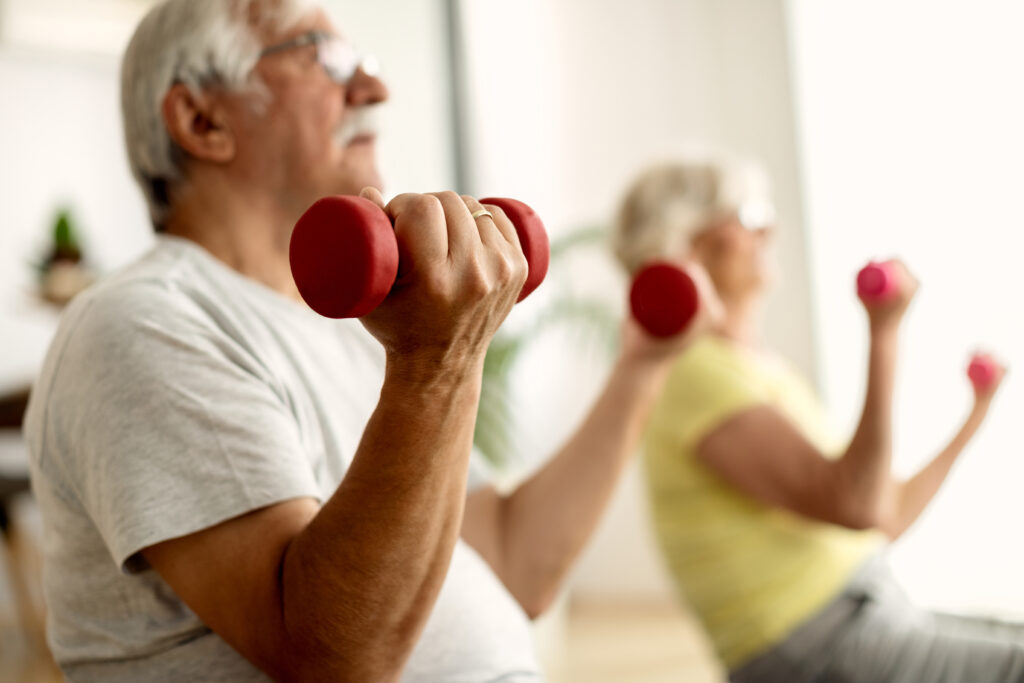
This is due to our muscles ability to adapt when a “stimulus” or “stress” is placed on our body. In order to better tolerate this stimulus, the muscles respond by increasing in size, with supporting ligaments, tendons and connective tissue also increasing in strength. Resistance can come in a number of forms including body-weight, rubber tubing and weights such as barbells and dumbbells.
Benefits of strength training in the elderly:
- Reduced likelihood of sustaining falls.
- Maintaining good levels of mobility and independence.
- Preventing increased “wear and tear” on the joints or joint pain.
- Prevention of chronic diseases.
- Maintaining good levels of bone mineral density which can assist with the prevention of fractures.
- Reduced injury risk.
- Greater endurance, reduced fatigue.
- Overall better quality of life!
It is recommended that older adults complete two or more sessions per week of muscle strengthening exercise, focusing on the major muscle groups. (WHO, 2018).
Completing strength training is something that many can complete in the comfort of their own home. You don’t have to buy fancy equipment or a gym membership. It can be activities as simple as:
- Slowly sitting and standing from a chair.
- Pushing up against the wall or kitchen bench.
- Rising up onto the balls of your feet.
- Bicep curls, overhead raises, side and frontal raises with makeshift dumbbells using jars or milk bottles.
- Slowly stepping up and down from the back step.
Want to get started with some strength training to help you live stronger for longer?
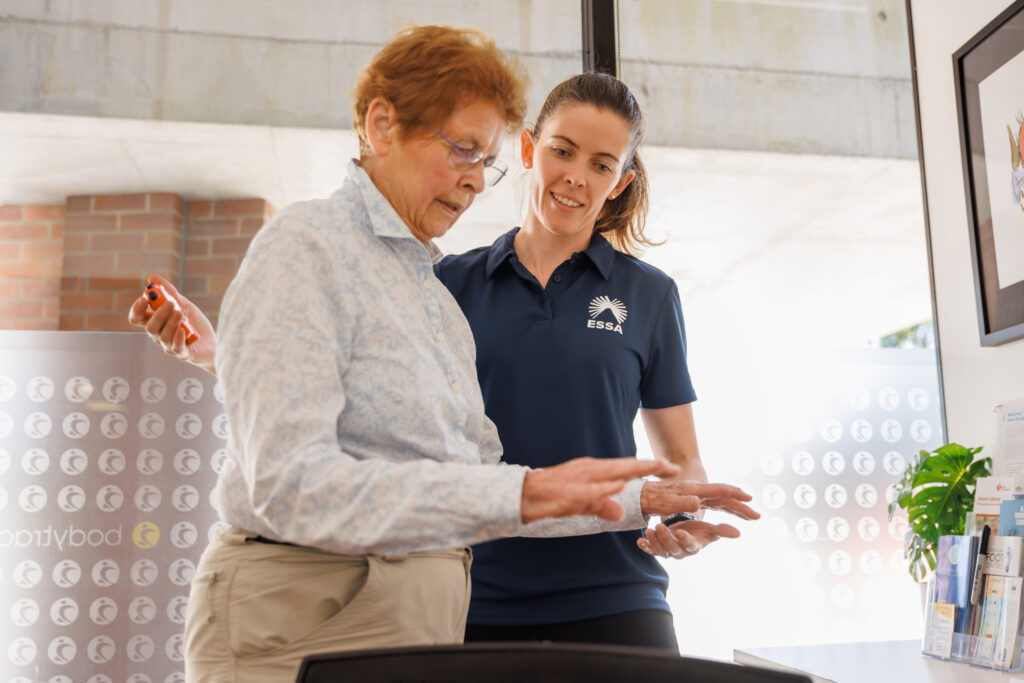
Having trouble knowing where to get started or after a little more advice? Book in to have a chat with an Accredited Exercise Physiologist (AEP) and they will be able to assist with answering your questions along with providing an exercise program appropriate for your needs and goals!

References: WHO. (2018). Global Strategy on Diet, Physical Activity and Health. Physical Activity and Older Adults. Recommended levels of physical activity for adults aged 65 and above. Retrieved from http://www.who.int/dietphysicalactivity/factsheet_olderadults/en/