


It’s crunch time for a lot of students all over Australia. With university students coming to the end of another busy semester and HSC examinations fast approaching, trying to fit exercise into an already busy schedule can be tough… But it’s also worth it. The extra study combined with the usual pressures associated with young adulthood may feel overwhelming, and exercise can help you to cope during this period. Additionally, staying active might actually help you to study better! Pens down – it’s time to get moving…
The struggle is real…
Exam time can be tough, and often your health and fitness is the last thing on your mind. Some common issues for students at this time of year include:
Reduced movement – Studying can result in extended periods of sitting, which can counteract the benefits obtained through regular physical activity.
Reduced self-care – Things like eating a balanced diet, going to bed at a consistent time each night or even catching up with friends can get put on the back burner.
Mental health issues – Students may experience increased anxiety as well as physical symptoms of brought on by stress such as nausea, fatigue and an increase in irritability or nerves. It is well documented that the HSC or tertiary assessments can be a highly stressful time for students. Research by Black Dog Institute suggests that the pressure to perform in these tests can be overwhelming and many students will feel a though a successful career is dependent on the results. At present, approximately one in four young people (aged 18-24 years) are currently living with a mental disorder.
How can exercise help?
Research shows that exercise can help to prevent mental health conditions and assists with stress management. In addition, regular exercise can also increase mental clarity, cognitive performance and improve sleep, all of which are vital when preparing for major exams. Simple additions to a daily routine such as a walk, a flexibility or mobility routine or even accessing the local facilities such as a park, beach or playground can help boost the impact of regular physical activity on your health and reduce the negative impact imposed by sedentary behaviours.
Exercise recommendations
So, how much exercise is right for you? Well, it depends on your age. Here’s the current physical activity recommendations for both adults and teens:
Adults (aged over 18)
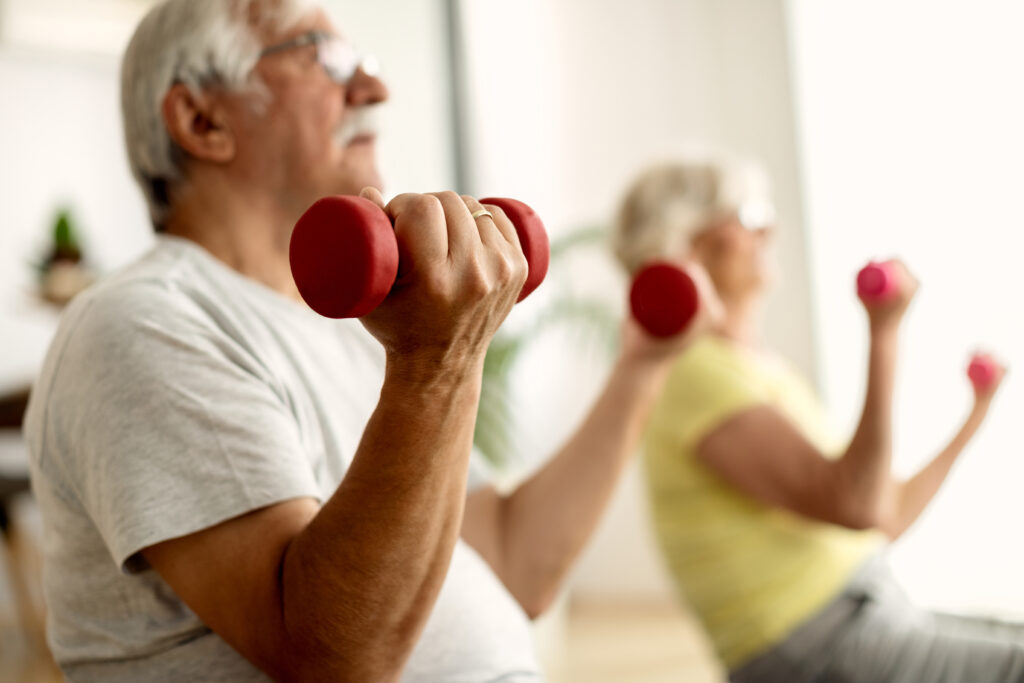
- At least 150 minutes of moderate to vigorous intensity physical activity per week
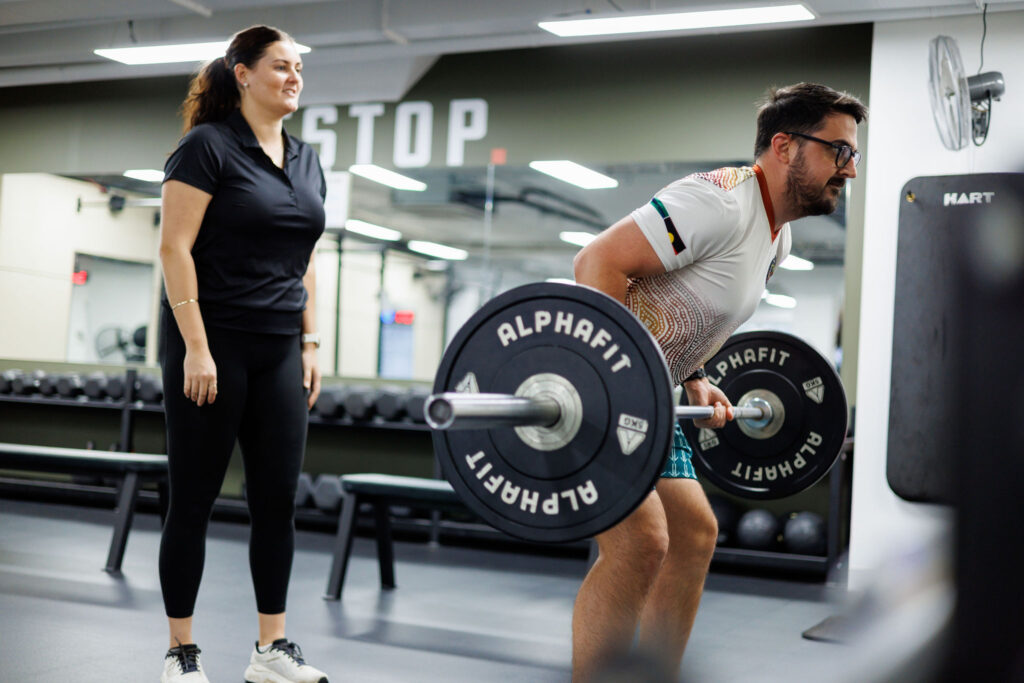
- At least 2 days per week of muscle strengthening activities

Teens (13 – 17)
- At least 60 minutes of moderate to vigorous physical activity per day
- Muscle strengthening activities should be incorporated into your daily 60 minutes of physical activity
- Daily recommendations can be broken up into short bursts of activity throughout the day that total 60 minutes or more
Ultimately, this can be made up of any type of activity however it is easier to maintain these exercises if they are ones you enjoy. Examples of moderate and vigorous exercises include:
Moderate Exercises: brisk walking, swimming, dancing, household tasks such as cleaning or gardening. Remember, moderate intensity will require some effort however you should still be able to talk while completing them.
Vigorous Exercises: jogging, aerobics, fast cycling, sports or activities that require lifting, carrying or digging. Remember, vigorous intensity will require more effort and talking may be difficult when completing these exercises.
Tips for moving more
Here are some great tips from an Accredited Exercise Physiologist to help you include exercise into this busy period:
Consider free exercise options
Money is often a factor to consider for many students, as studying full or part time can limit the number of hours available to work and earn enough to cover expenses. Instead of investing in gym membership, consider bodyweight circuits that can be done at home. Exercises like push ups, shoulder press, squats, lunges and planks can be done without any additional weight.
If you want to take your home workout to the next level, there are plenty of cheap equipment options available to get you started. Check out the internet for cheap fitness equipment or even head to your local Kmart where you can pick up equipment such as a jump rope, a resistance band, exercise mat, exercise ball, fitness sliders and a foam roller all for less than $50*.
Train outdoors
Take that home-based bodyweight circuit to your local park, to make exercises more challenging get creative with play equipment. Mixing up your circuit by incorporating chin ups, plyometrics or some interval-based running may make the session more engaging.
In addition to the free facilities, research suggests that exercising outdoors can have a significant impact on mood, reduction of stress, anxiety and depression. The added benefits of vitamin D exposure are also well documented for the maintenance of strong bones, muscles and overall health.
Incidental exercise
Consider using active transport to get to university or school. The extra walking or cycling may help give you mind a break, leaving you feeling refreshed and focused when you return to study. It’ll also help you to meet your recommended daily physical activity requirement.
Timing
Working exercise into daily routine can be tough, especially when studying for exams. Ultimately the best time to train is the time that suits you, whether it is morning, afternoon or evening, pick your time and stick to it.
Getting help
Whether you are in the early stages of high school or a mature age student at tertiary education – student mental health matters. If you’d like more advice on how exercise can benefit you, talk to your local exercise expert.
If you are feeling overwhelmed, please reach out to someone. You’ll find some great resources below:

Written by Sam Greentree. Sam is an Accredited Exercise Physiologist who runs her own business.
*This is not sponsored content. Exercise Right has no relationship with Kmart and does not endorse their products.