


Our lives have already changed drastically in response to the COVID-19 pandemic. With many Australians either out of a job or working from home, increased restrictions around travel, a range of rules surrounding leaving the house and physical distancing; this crisis is impacting all of us in unprecedented ways.
But what do these changes mean for your daily exercise routine? Being physically active is more important than ever, both for your body’s immunity and your mental health. So, what exactly are you allowed to do to stay active during this period? Let’s take a look…
What you can’t do
In the interest of public safety, we all need to make sacrifices! As a result of the most recent restrictions put in place by the Australian Government, there’s a few things that are no-go’s when it comes to exercise. These include:
Working out in groups
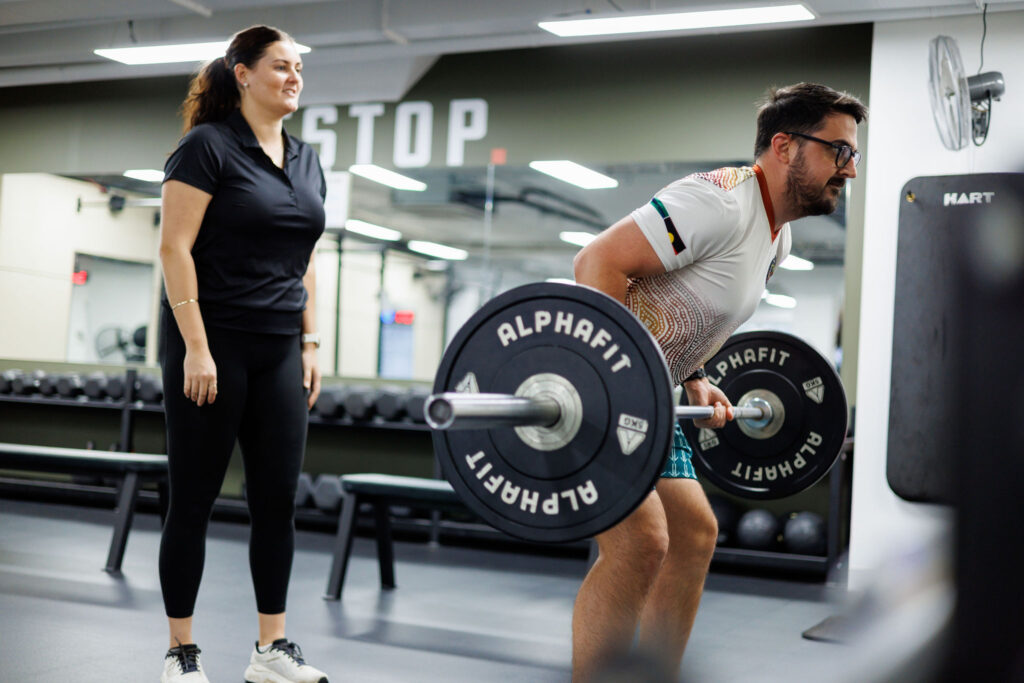
All sessions, whether inside or outside, must be limited to two people. This INCLUDES the trainer. This means that all sessions MUST be one-on-one, and all group sessions are not permitted. Strict physical distancing (we recommend 2m) should always be maintained and it’s important to demonstrate high levels of hygiene by washing your hands regularly and rigorously cleaning workout equipment.
Exercising in gyms or studios
All gyms and fitness studies, including yoga and Pilates studios, are legally required to remain closed. Even for one-on-one sessions, exercising in these facilities is not permitted.
Using playgrounds and outdoor gyms
All public playgrounds and outdoor gyms are closed to the public. This is to reduce the risk of spreading coronavirus via touching of these surfaces. These measures are also designed to restrict contact or proximity with others.

What you can do
Sure, there’s lots we can’t do right now… But the good news is there’s plenty you can do!
Go for a walk, run or bike ride
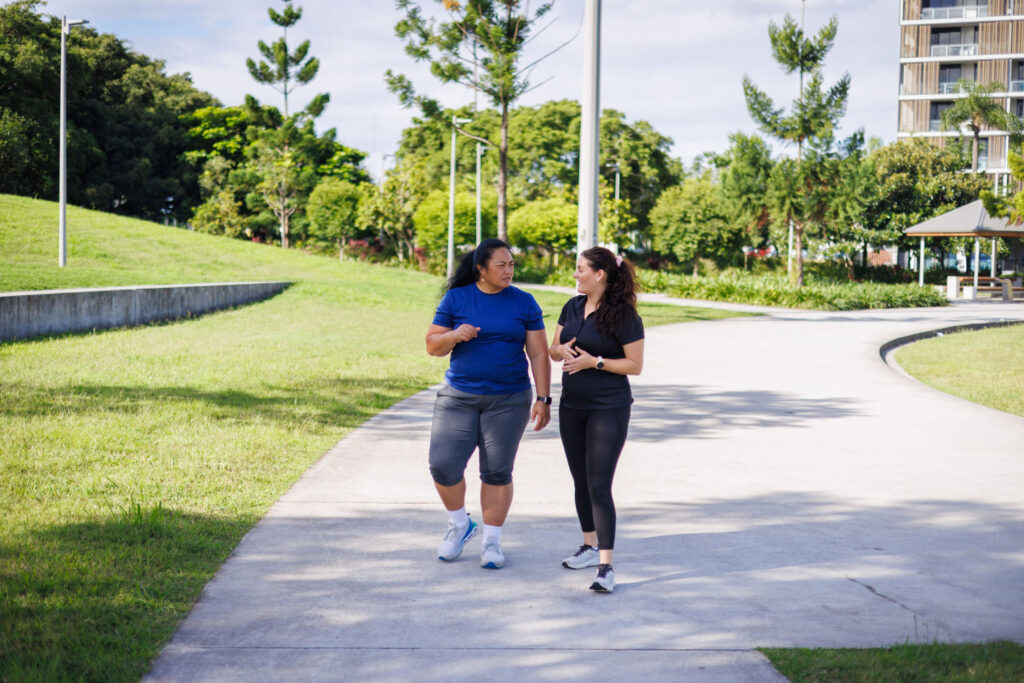
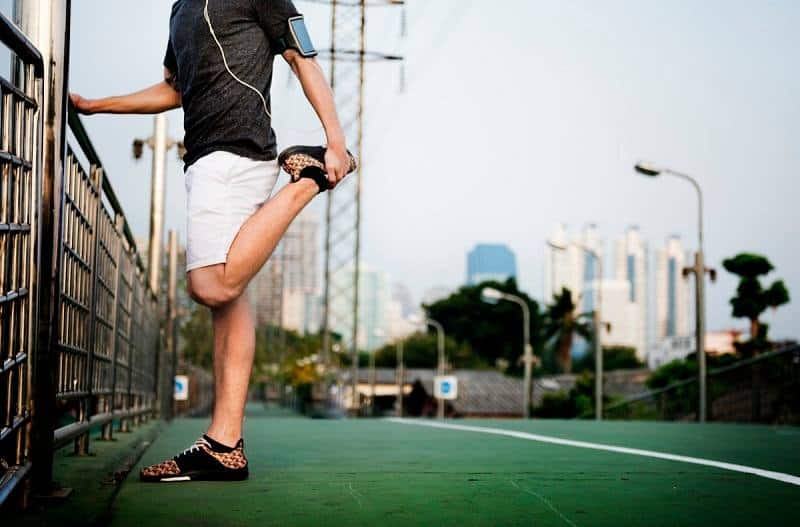
You can still go outside to exercise, as long as you’re not in a group of more than two people. Take a bike ride or go for a walk or run around your local area to ensure you’re getting enough daily physical activity. Going outside and getting some fresh air is also great for your mental health! Just remember to follow the rules and try to go out when there are less people around.
Visit an allied health professional
Services delivered by an allied health professional, like an Exercise Physiologist, are deemed as essential and will continue to be provided. This means you can still go and see your exercise physiologist either in person at their clinic or via telehealth. Additionally, thanks to an announcement earlier this week from the Federal Government, services offered via telehealth are now eligible for rebates under Medicare.
Access exercise services via telehealth
Many exercise services can be delivered online, but it’s important to make sure you’re getting the right advice. We recommend seeking out an exercise professional who is accredited with Exercise & Sports Science Australia (ESSA), as they are required to adhere to strict telehealth standards. You can find a suitably qualified expert here.
Learn more: What is Telehealth and how do I use it?
Workout at home
It might sound obvious but exercising at home is a great way to stay active. To help Australians in self isolation, we’ve put together a series of resources to help you Exercise Right at Home. For a range of tips, home workouts, videos and resources, click here.
Where to get advice
This information is correct as of 31/3/2020. The advice from the government is currently changing daily, if not hourly. We recommend keeping an eye on health.gov.au for the latest regarding what you can and can’t do.
Remember, it’s in everyone’s best interest for all of us to stay home and follow the guidelines outlined by the government.
For home-exercise advice and videos from university-qualified experts, visit Exercise Right at Home.