

Have you been suddenly gaining weight, yet haven’t changed your diet? Are your periods irregular or absent altogether? Is your skin breaking out like crazy? These are just a few signs that you may be suffering from Polycystic Ovarian Syndrome (PCOS), a hormonal condition that affects up to 18% of women. However, diet and exercise can be extremely helpful in treating the symptoms so you can lead a healthy, happy and fertile life.
How PCOS affects your body
- Excess testosterone – we all produce some testosterone, but too much can prevent ovulation and change your menstrual cycle
- Insulin resistance – your body has to produce much more insulin than normal to keep blood sugar levels stable. Excess insulin floating around also increases testosterone produce and can lead to…
- Reduced fertility
- Irregular or absent periods
- Excess hair on your body and face (hirsutism)
- Less hair on your head (alopecia)
- Changes in your skin, such as acne, or darkened skin patches
You may also notice that your self-esteem and body image take a hit, or you experience depression and anxiety from all these physical changes that arise after diagnosis.
But there’s good news! A lot of these signs and symptoms can be improved with a few tweaks to your lifestyle, particularly with exercise. Here are the best types of exercise and how they can help (if you would like access to some free exercise programs, check out Exercise Right at Home)
Cardio
Good for reducing insulin resistance, boosting fertility, stabilising mood
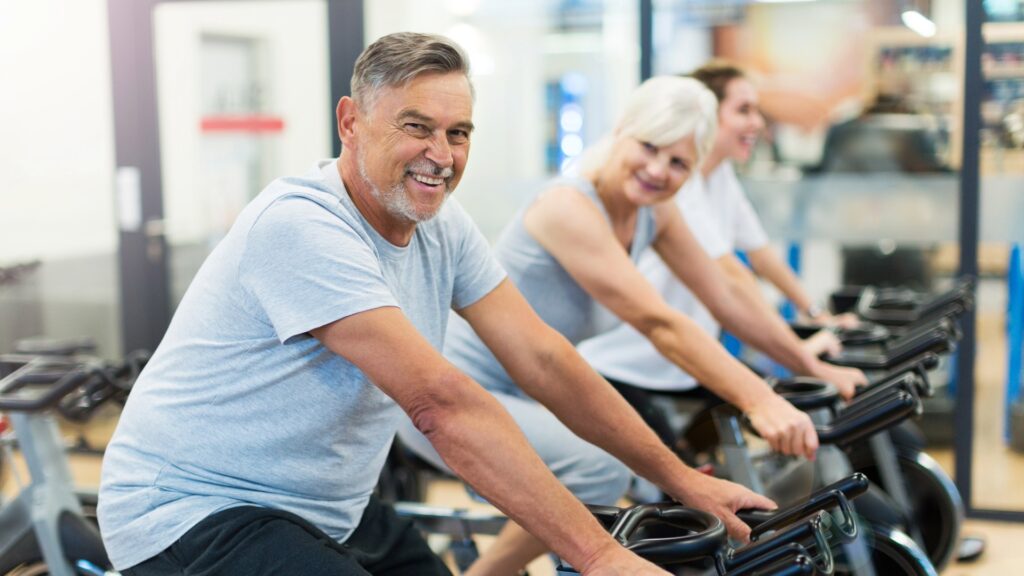
Moderate exercise like brisk walking, jogging, cycling or swimming are all great activities that can help with PCOS. This type of exercise increases your bodies sensitivity to insulin, which reduces your risk of cardiovascular disease and type 2 diabetes. Doing 30 minutes or more a day can also help with weight management, symptoms of depression and anxiety, as well as improving frequency of menstrual cycles and ovulation. And if you’re about to start IVF, regular light exercise can boost your reproductive success. Not sure how to start running, easy download the free Nike Run Club app that provides your with guided runs to help you begin your running journey!
Strength training
Good for reducing insulin resistance, increasing metabolic rate, improving body composition (more muscle and less fat tissue)
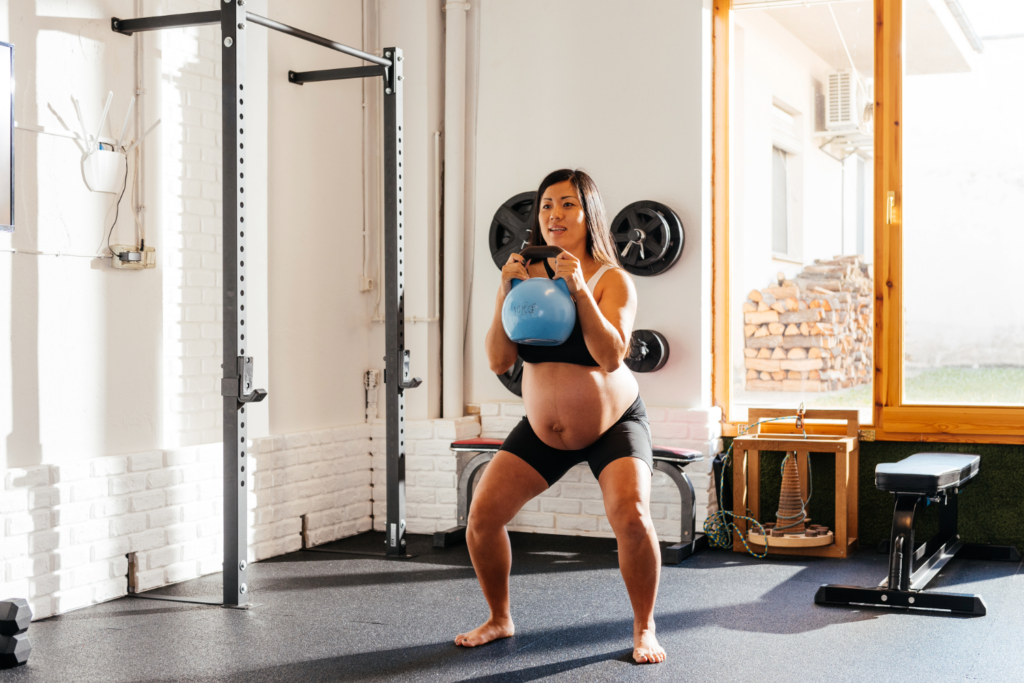
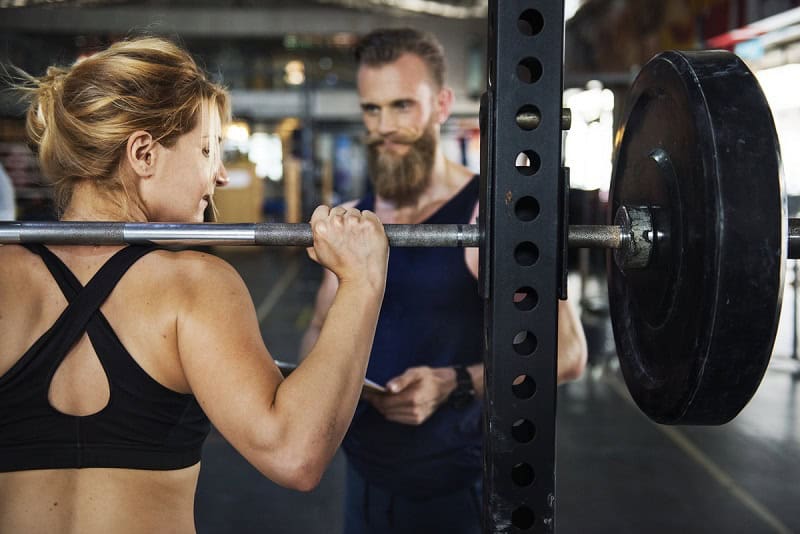
Bodyweight exercises like squats, push-ups, or tricep dips improve the function of insulin in your body, but can also boost your metabolism by building more muscle mass. Don’t worry though; you won’t bulk up unless you’re taking steroids! More muscle simply means burning more calories while exercising, but also throughout the day even at rest. Combining resistance moves with cardio exercise is the best way to ensure you’re building a lean body, achieving a healthy BMI, and reducing your risk of chronic diseases like type 2 diabetes.
High intensity interval training
Good for increasing cardiovascular fitness and decreasing waist circumference
Intervals involve swapping between short bouts of high intensity work and lower intensity recovery. It’s a time efficient way of boosting your cardiovascular fitness, with extra benefits for PCOS. Going hard on the spin bike burns bucket-loads of calories, and reduces abdominal fat more effectively then say, a brisk walk. This can help you achieve a 5 – 10% weight loss, which studies show can decrease PCOS symptoms by reducing excess testosterone and improving insulin resistance.
Core strength
Good for general well-being and injury prevention, preparing your body for pregnancy
Being above your ideal weight can cause lower back pain and poor posture, so including core training in your program is essential. These muscles support the spine and learning how to switch them on ensures you don’t injure yourself during exercise. Also if you’re trying to conceive, start training your pelvic floor muscles! These muscles are also part of your core and help prevent incontinence, boost sexual health, and improve pelvic stability to help support a healthy pregnancy.
The most effective exercise is the one you keep up with, so choose something you enjoy! Seeking help from an Accredited Exercise Physiologist is a great way to guarantee you’re exercising right for your condition. They can provide a tailored exercise program as well as lifestyle advice and support to help you reach your health and well-being goals.
Written by Sarah King, Accredited Exercise Physiologist (AEP). Read more like this.