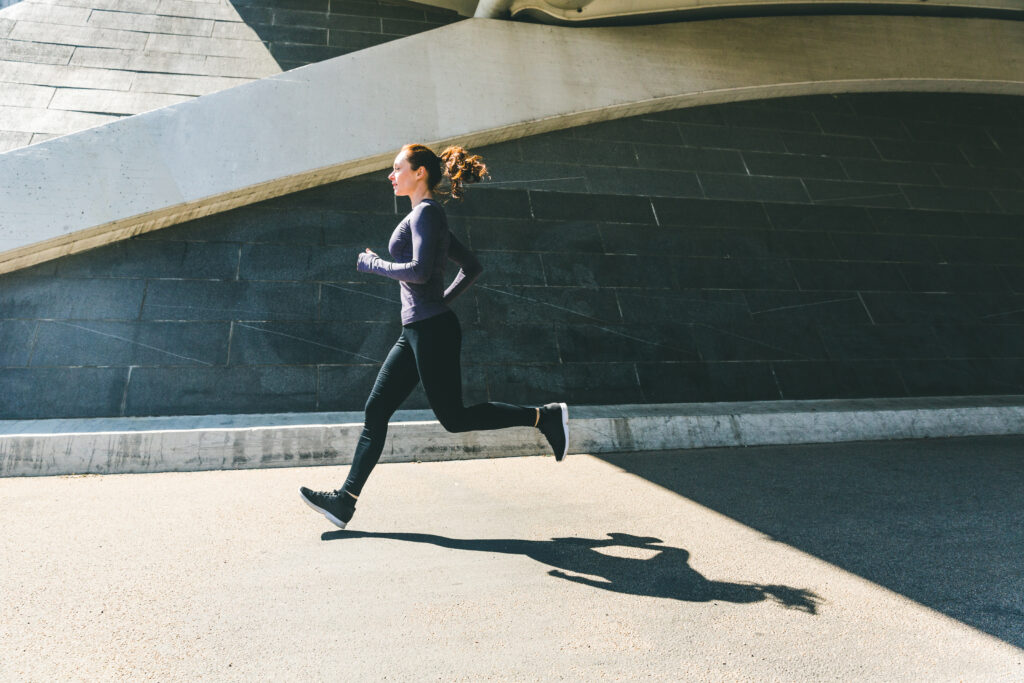

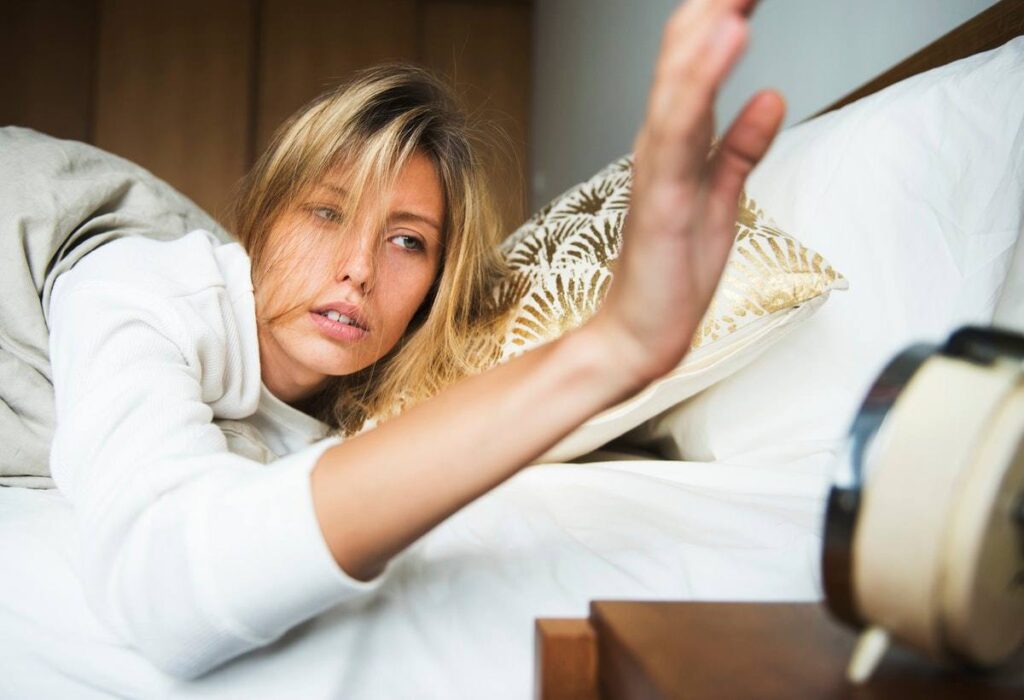


The importance of sleep is often undervalued. Good sleep patterns improve your energy levels, mental health and general well-being as well as helping to protect you from illness. Sleep is one of the key pillars of good health. So, can exercise help you to sleep better?
We all need sleep. Alongside air, food and water, a good night’s sleep is one of the primary needs for the human body.
Getting a good night sleep can:
- Reduce your risk of obesity – Research consistently shows that those who experience poor sleep are more likely to be overweight or obese. One review found that adults who sleep badly are 55% more likely to become obese.
- Improve concentration and productivity – Sleep is important for brain function, and missing out on sleep will negatively things like concentration, cognition, productivity and performance.
- Reduce your risk of heart disease – Those who sleep poorly have a significantly higher risk of heart disease and stroke than those who get 7-8hours a night.
- Improve your mental health – Mental health issues, such as depression, are strongly linked to poor sleep quality.
- Boost your immune function – Research shows that even a modest disturbance to sleep patterns can negatively impact your immunity.
Despite the benefits of a good night’s sleep, poor sleep patterns are increasingly common in Australia. Data shows that approximately one in three people regularly struggling with sleep.
So, can exercise help? Science says yes…
Exercise can help you sleep better
It’s no secret that being physically active is great for your body and your mind, but it can also help you get some shut eye. Here’s how…
1. It helps you sleep deeper, for longer
Physical activity increases time spent in deep sleep, the most physically restorative sleep phase. In addition to improving the quality of sleep, exercise also can help you increase the duration of your nightly rest. These results have been replicated across all age groups, including teens, but are especially significant in older populations.
2. It reduces stress and anxiety
If you’ve ever laid in bed at night worrying about a deadline or feeling anxious for no reason at all, you’re not alone. Being stressed is one of the most common reasons for disturbed sleep and it can cause both trouble falling asleep and restlessness during the night. The good news is that regular exercise is great for reducing stress levels. Being physically active can help to reduce cortisol levels, improve your mood and help to manage anxiety.
To learn more about exercise and mental health, download our free eBook.

3. It can help with chronic insomnia
Chronic insomnia, defined as difficulty initiating or maintaining sleep, awakening too early in the morning, or nonrestorative sleep, is the most common sleep disorder among adults. Little research has been conducted on the effect of exercise on chronic insomnia, however the studies that have been performed suggest that exercise significantly improves the sleep of people with chronic insomnia.
How much exercise do you need?
There’s no magic number when it comes to volume of exercise for sleep benefits. Our recommendation is to try and meet the National Physical Activity Guidelines for your age. For adults, this means accumulating 150 – 300 minutes of moderate intensity or 75 – 150 minutes of vigorous exercise (or a combination of both) each week. You should also include at least two sessions of muscle strengthening each week. Children and teens need more, with a minimum of 60 minutes of moderate to vigorous exercise each day. If you’re new to exercise, it’s best to start slow and gradually build to these levels. If you don’t know where to start, chatting to your local exercise expert can help.
What’s the best time of day to exercise?
The best time of day is the time that suits you. If you’ve got time and energy before work, do it then. Easier after work? That’s cool too. Prefer working out late at night? Go for it. The best way to make exercise a regular part of your daily routine is to make it fit in with your lifestyle. And the best part is that no matter what time you do it, it’ll help you to sleep better.
But I thought exercising at night was bad for sleep?
This myth has officially been busted. Research has found that exercising in the evening doesn’t negatively impact your sleep (yup, even if it’s high intensity).
Sold! how can I get started?
If you want to increase your activity levels but don’t know where to start, we’re here to help! We recommend seeing a university-qualified expert for your health and fitness advice. If you’re just looking for some individually tailored and evidence-based advice on your health and fitness, see an exercise scientist. They are highly qualified and have the skills to prescribe safe and effective exercise programs for most populations.
If you’re living with a chronic condition, pain or an injury we recommend seeing an exercise physiologist. They are specially trained to prescribe exercise as medicine for those experiencing health complications.
To find an accredited expert near you, click here.