Newsroom
Home / Newsroom
Search
Exercise and brain health after stroke
This article was written by Sarah Ashcroft Accredited Exercise Physiologist (AEP), Accredited Exercise Scientist (AES), PhD. After a stroke, the brain and body may need to relearn skills such as moving, speaking, remembering, or completing everyday tasks. More than 475,000 Australians are living with the lasting effects of stroke, so finding ways to support recovery […]

Chronic pain, flare-ups and exercise: how to keep moving safely
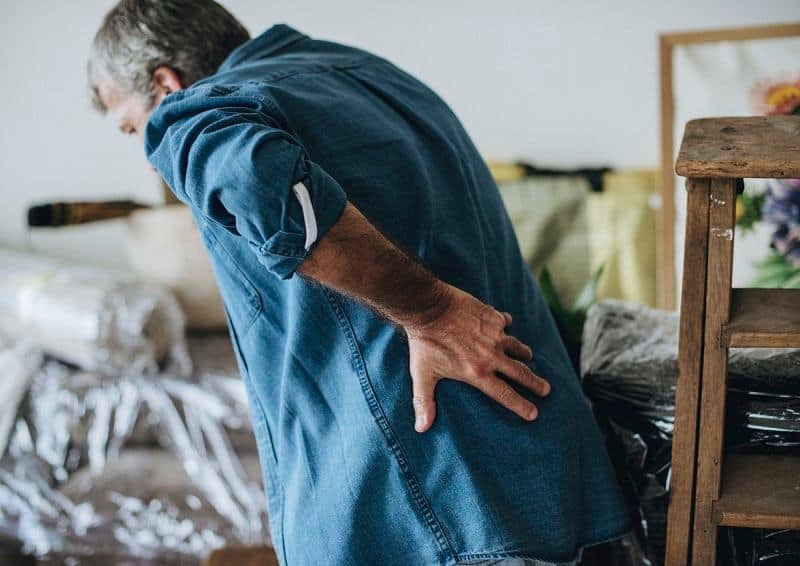
This article was written by Accredited Exercise Physiologist James Wallace, Director of Harmony Specialist Healthcare. You may have been told that exercise is good for you, but when you try to do more, your pain flares up. This can leave you wondering: “Am I helping myself, or am I making things worse?” Many people with […]
Mastering movement with Type 1 Diabetes
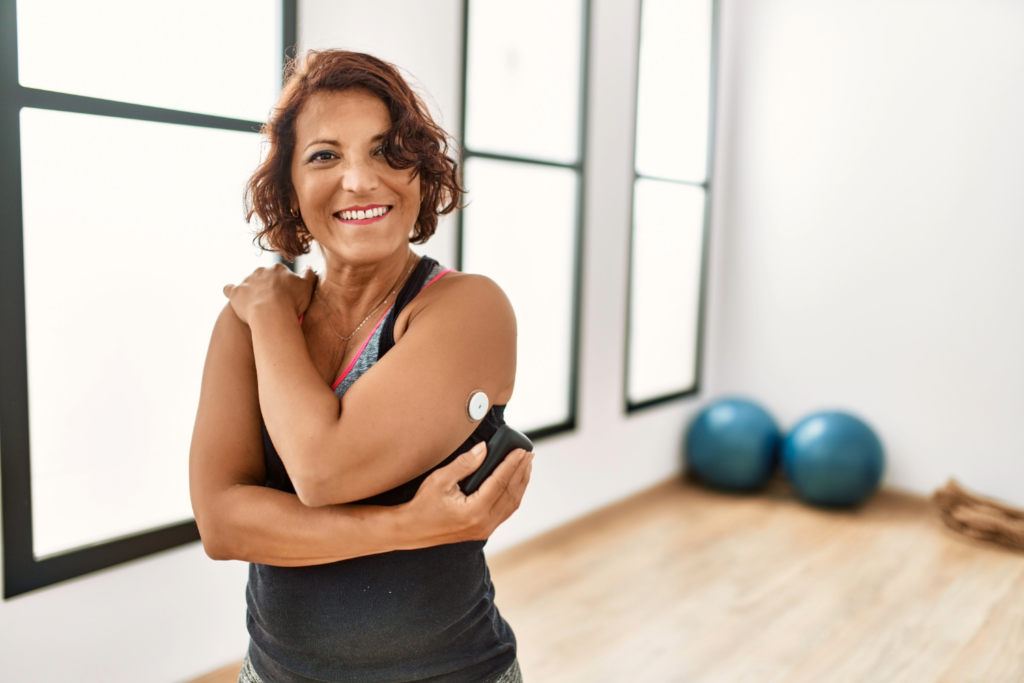
Written by Elise Edwards, Credentialled Diabetes Educator (CDE) & Accredited Exercise Physiologist (AEP). If you are living with Type 1 Diabetes (T1DM), the relationship between your body and physical activity can sometimes feel unpredictable. One day a gentle jog keeps you perfectly steady; the next, the exact same route sends your blood glucose levels (BGLs) […]
Is it safe to exercise when pregnant if I have diabetes?
This article was written by Accredited Exercise Physiologist Carly Luff for Diabetes WA. Gone are the days when expectant mums were encouraged to take it easy and relax on the couch for nine months. While there are some activities that may need to be avoided or adapted, being active can help reduce the aches […]
How to improve your balance through exercise
This article was written by Accredited Exercise Physiologist Georgina Keogh-Fisher for Diabetes WA. If you’ve ever felt a bit unsteady on your feet, noticed your walking pattern has changed or found yourself worrying about falls, you’re not alone. Balance is one of those things we mostly take for granted, until it starts to feel […]
The science behind exercising for bone health
This article was written in collaboration with Accredited Exercise Physiologist Carlie Bauer. Bone is a living tissue made up of specialised cells. When we combine gravity and movement, the impact sends signals to tiny receptors within our bones, encouraging them to build more strength and adapt. Osteoclasts are specialised bone cells that act like a […]
More than exercise: how connection supports men’s health
This article was written in collaboration with Accredited Exercise Physiologist Matt Mulcahy from Atrium Exercise Physiology. For many men, looking after their health is placed on the back burner. Work, family commitments, financial pressures and the expectation to simply “push through” can mean physical and mental wellbeing are neglected for years before support is sought. Yet, […]
Do you want strong bones? Here’s what actually works
This article was written in collaboration with Accredited Exercise Physiologist Samuel Padarcic, General Manager of The Biomechanics. What type of exercise actually builds bone density? Accredited Exercise Physiologist Sam Padarcic explains resistance training, impact loading, and balance work for managing osteopenia and osteoporosis. Bone health has been getting more attention recently, but not always in a helpful way. From claims about “bone-stimulating […]
Exercise with a lung condition: 5 ways to keep moving and breathing well
This article was written in collaboration with The Lung Foundation Australia and Accredited Exercise Physiologist Nick Edwards, ESSA’s Chief Exercise Physiologist. Being diagnosed with a lung condition can raise a lot of questions, especially about how to exercise safely and confidently. Many people worry that exercise might make breathlessness worse, but the right […]
Unpacking Australia’s New 24-Hour Movement Guidelines and Daily Step Target
This article was contributed and written by Professor Corneel Vandelanotte, who leads the Physical Activity Research Group and the 10,000 Steps program at CQUniversity. The government has just released an update of the Australian 24-Hour Movement Guidelines for Adults. For physical activity professionals, this is an exciting update as the evidence has grown and while most […]
Brain Derived Neurotrophic Factor (BDNF) and Exercise
Brain Derived Neurotrophic Factor (BDNF) has been referred to as a fertilizer for your brain. Find out how exercise can help you to get more of it. Brain Derived Neurotrophic Factor (BDNF) has been referred to as a fertilizer for your brain. It is a substance that is found in your brain and helps to […]
A Timeline of How Your Body Reacts to Exercise
Do you know what changes your body goes through physically and mentally when you exercise? We asked Accredited Exercise Physiologist, Alex Lawrence, to go through the changes you can expect in your body reacts to increasing your physical activity levels. For most part, the changes are very, very positive. How Your Body Reacts To Exercise What […]